
Categories
RetirementPublished February 23, 2026
Do NOT Retire in SW Florida… Unless You Can Handle These 10 Things

Do NOT Retire in Southwest Florida… Unless You Can Handle These 10 Realities
Everyone pictures retirement in Southwest Florida as beaches, sunshine, and zero state income tax.
And yes — that part is real.
But the full picture? It’s more complicated.
If you’re considering retiring in Fort Myers, Cape Coral, Naples, Estero, or Babcock Ranch, you need to understand the financial, environmental, and lifestyle trade-offs before you buy.
By the end of this guide, you’ll know whether Southwest Florida is your dream retirement — or a very expensive mistake.
1. Insurance Costs Can Vary Wildly (Even 3 Miles Apart)
Two nearly identical homes. Same hurricane risk. Same build quality.
One costs $2,500 per year to insure.
The other costs $9,000+ per year.
In Florida, small differences matter — elevation, flood zone, roof age, and building code year can dramatically change premiums.
Statewide, the average homeowner’s insurance premium recently approached $3,700 annually. In coastal Southwest Florida counties, it’s often much higher.
What Impacts Insurance Most?
- Flood zone (AE vs VE zones)
- Elevation above sea level
- Roof age (15+ years raises red flags)
- Pre-2004 vs post-2004 construction
- Proximity to open water
Homes built after Florida’s major 2004 building code updates typically receive lower premiums due to stronger hurricane protections.
Flood insurance is separate:
- Lower-risk zones: $450–$600/year
- Higher-risk zones: $1,500+ per year
Before making an offer:
- Check FEMA flood maps
- Verify roof age
- Get actual insurance quotes (not estimates)
2. Storm Season Becomes a Way of Life
From June 1 through November 30, hurricane season shapes daily life.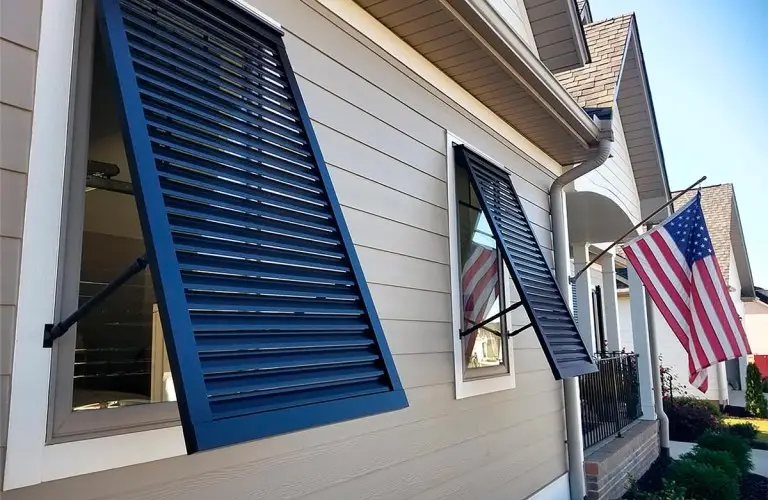
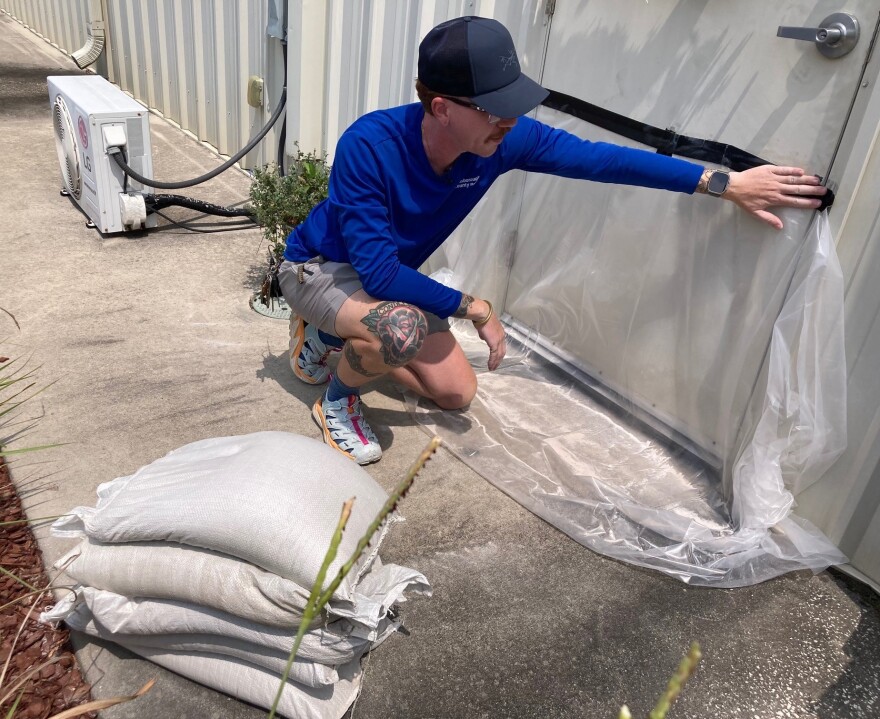
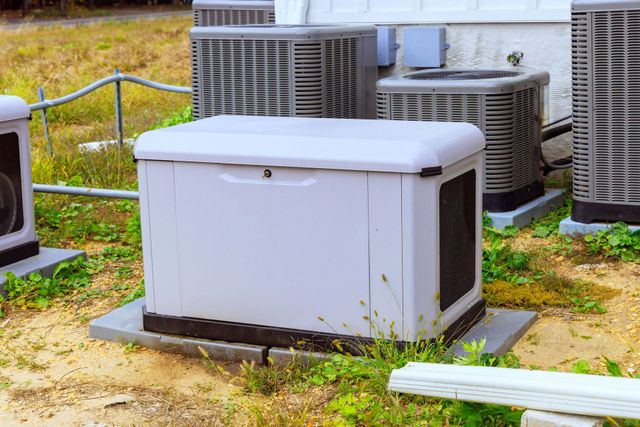
Storm prep becomes routine:
- Installing shutters
- Testing generators
- Trimming trees
- Securing outdoor furniture
Homes built before 2002 often lack modern hurricane straps. Newer homes are rated for significantly higher wind resistance.
During major storms, emergency response times can stretch dramatically due to flooding and road closures.
If you live here, preparation isn’t optional — it’s part of your annual calendar.
3. The Heat and Humidity Are Intense
Winter? Glorious.
Summer? Relentless.
From May through October:
- Daily highs above 87°F
- Humidity often 75–80%
- “Feels like” temperatures over 100°F
Air conditioning runs nearly year-round.
A typical AC system may operate 18–22 hours daily in summer, significantly increasing electric bills. Older 13 SEER systems can cost 30–40% more annually to operate than modern 18+ SEER units.
Outdoor life shifts to:
- Before 9 AM
- After 6 PM
Midday outdoor activity in July isn’t relaxing — it’s exhausting.
4. Maintenance Is Year-Round
Unlike northern climates, nothing “shuts down” here.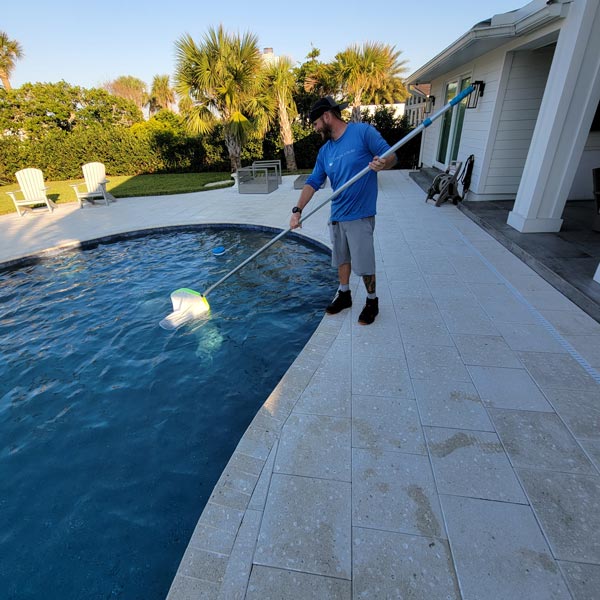
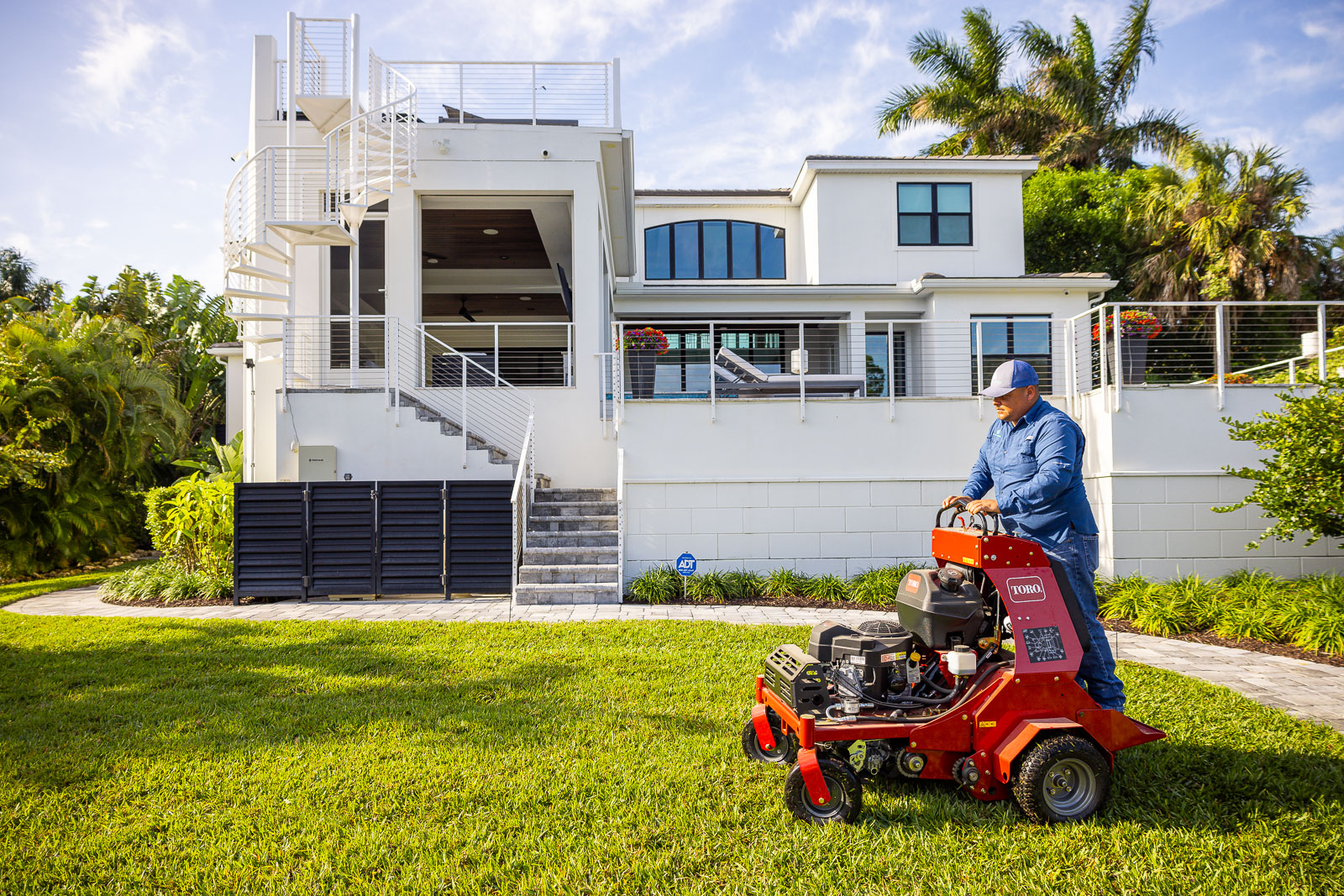
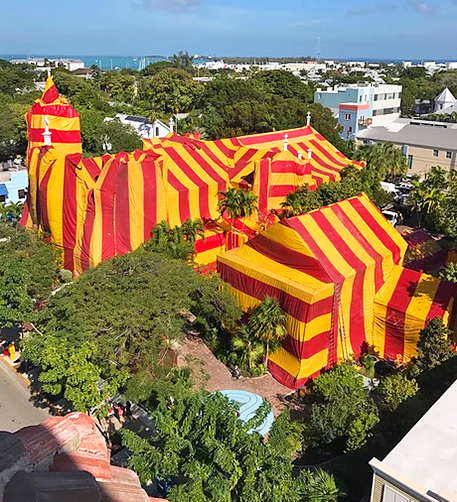
What changes?
- Landscaping grows 12 months a year
- Exterior paint fades faster (3–5 year cycles)
- Pool chemicals cost more due to algae growth
- Pest control is ongoing (no winter break)
Typical annual costs:
- Pool maintenance: $3,000–$6,000
- Pest control: $300–$600
- Termite treatment: $1,000–$3,500 (if needed)
The climate accelerates wear and tear.
5. HOA & CDD Fees Can Offset the “No Income Tax” Advantage
Florida has no state income tax.
But many retirees underestimate community fees.
In newer master-planned communities like Babcock Ranch, HOA fees typically range from a few hundred dollars per quarter to several hundred per month.
CDD (Community Development District) fees:
- Appear on your property tax bill
- Often last 20–30 years
- Can add $1,500–$3,000+ annually
Combined HOA + CDD fees in newer communities can total $4,000–$8,500 per year — before property taxes and insurance.
Always calculate total monthly ownership cost, not just the mortgage.
6. Seasonal Population Swings Are Massive
From December through April, Southwest Florida transforms.

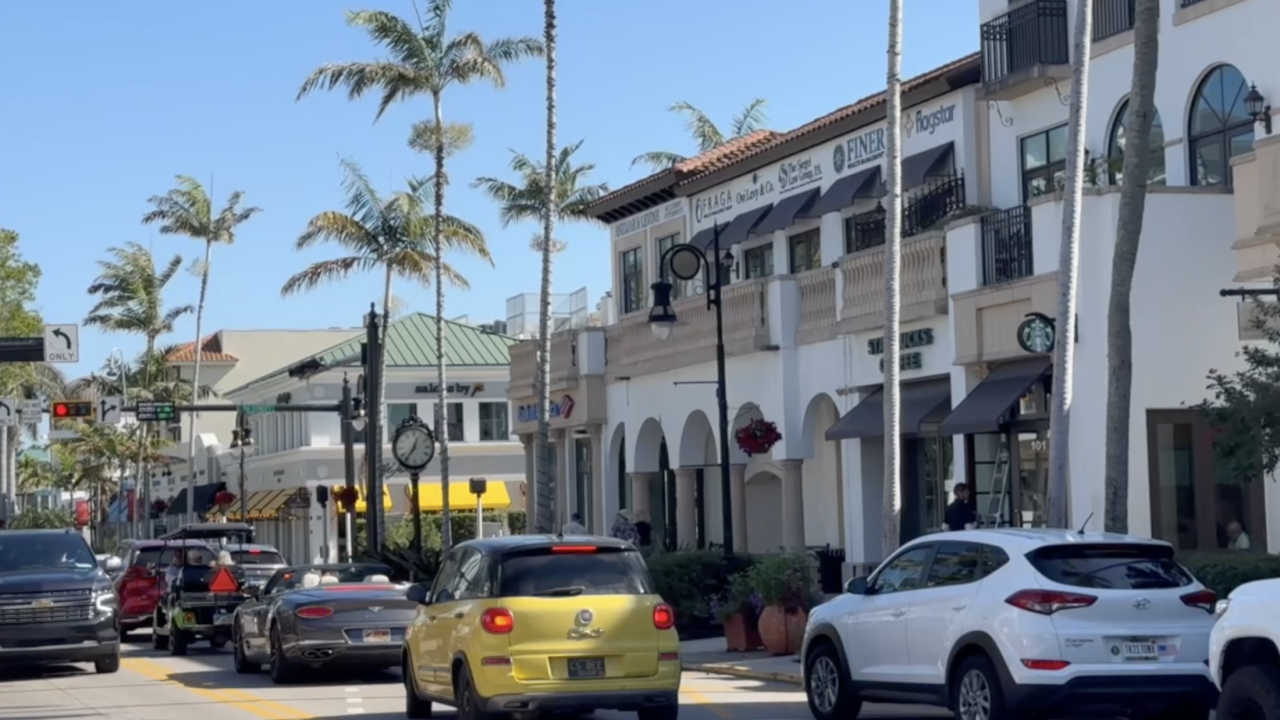

Snowbird season brings:
- Heavy traffic
- Long restaurant waits
- Crowded beaches
- Longer healthcare wait times
Some areas experience population increases of up to 50% during peak months.
A 15-minute drive in October can become 35–45 minutes in March.
Smart retirees schedule:
- Doctor appointments in shoulder months
- Major errands before December
- Travel with extra buffer time in winter
7. New Construction Is Booming (But Incentives Vary)
Builders across Southwest Florida are offering:
- Mortgage rate buydowns
- $10,000–$25,000 closing credits
- Large upgrade packages
Communities expanding rapidly include:
But incentives differ by builder and by phase.
New homes offer:
- Stronger hurricane protection
- Lower insurance premiums
- Higher energy efficiency
However, they often include HOA + CDD layers that older neighborhoods don’t.
8. Not All Beach Areas Carry the Same Risk
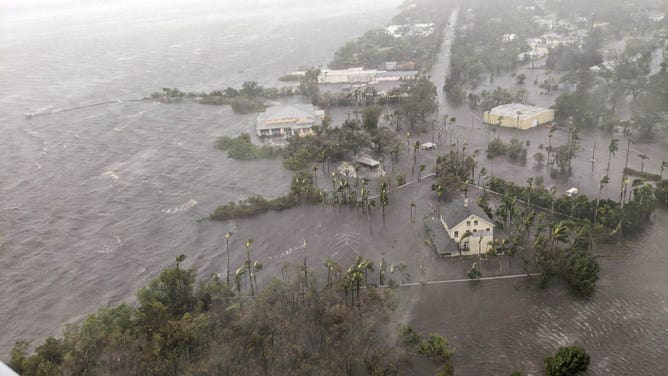
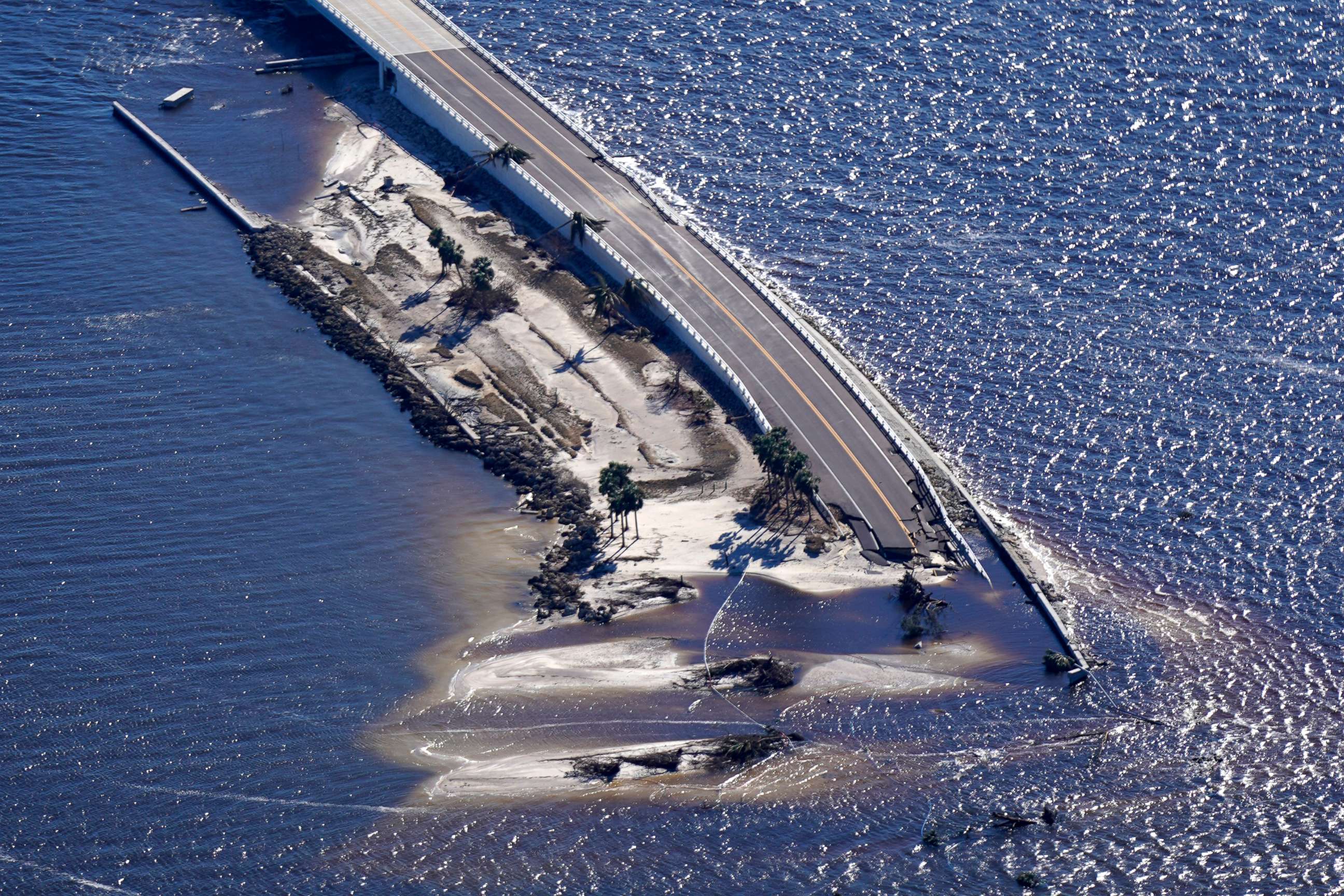

Hurricane Ian made this clear.
Barrier islands like:
…experienced significantly higher storm surge than inland properties just a few miles away.
Flood zones matter:
- AE Zone = moderate to high risk
- VE Zone = highest risk (wave action + surge)
Insurance in VE zones can cost 3–4x more annually than homes just slightly inland.
You don’t have to avoid waterfront property — but you must understand the risk profile.
9. Healthcare Access Is Strong — Location Matters
Southwest Florida has reputable hospital systems, including:
- Lee Health
- NCH Healthcare System
Facilities like:
- Lee Memorial Hospital
- Gulf Coast Medical Center
Drive times vary significantly depending on neighborhood.
A home 10 minutes from a hospital in October might feel very different in February traffic.
Before buying:
- Map drive time to ER
- Check urgent care proximity
- Factor in seasonal congestion
10. Each Submarket Performs Differently
Not all Southwest Florida markets move the same.
- Fort Myers: softer pricing, more inventory
- Cape Coral: moderate corrections
- Naples: higher price point, luxury volatility
- Babcock Ranch: stronger new-construction momentum
Months of supply, pricing trends, and negotiation leverage vary by neighborhood — not just by city.
Broad regional headlines don’t help much when you’re choosing one specific community.
Micro-market knowledge matters.
Is Southwest Florida Right for Your Retirement?
Southwest Florida can absolutely be an incredible place to retire.
But only if you:
- Budget realistically
- Understand storm risk
- Plan for maintenance
- Factor in seasonal swings
- Choose your exact neighborhood carefully
If you’re evaluating Fort Myers, Cape Coral, Naples, Estero, or Babcock Ranch for retirement, the key isn’t just loving the sunshine.
It’s understanding the trade-offs.
When you plan for these 10 realities upfront, retirement here can be everything you imagined.
Ignore them?
It can get expensive — fast.

John Garuti
| Team John Garuti | eXp Realty | PLACE
or another way