
Published April 27, 2026
Naples vs. Miami: Where Should You Retire?

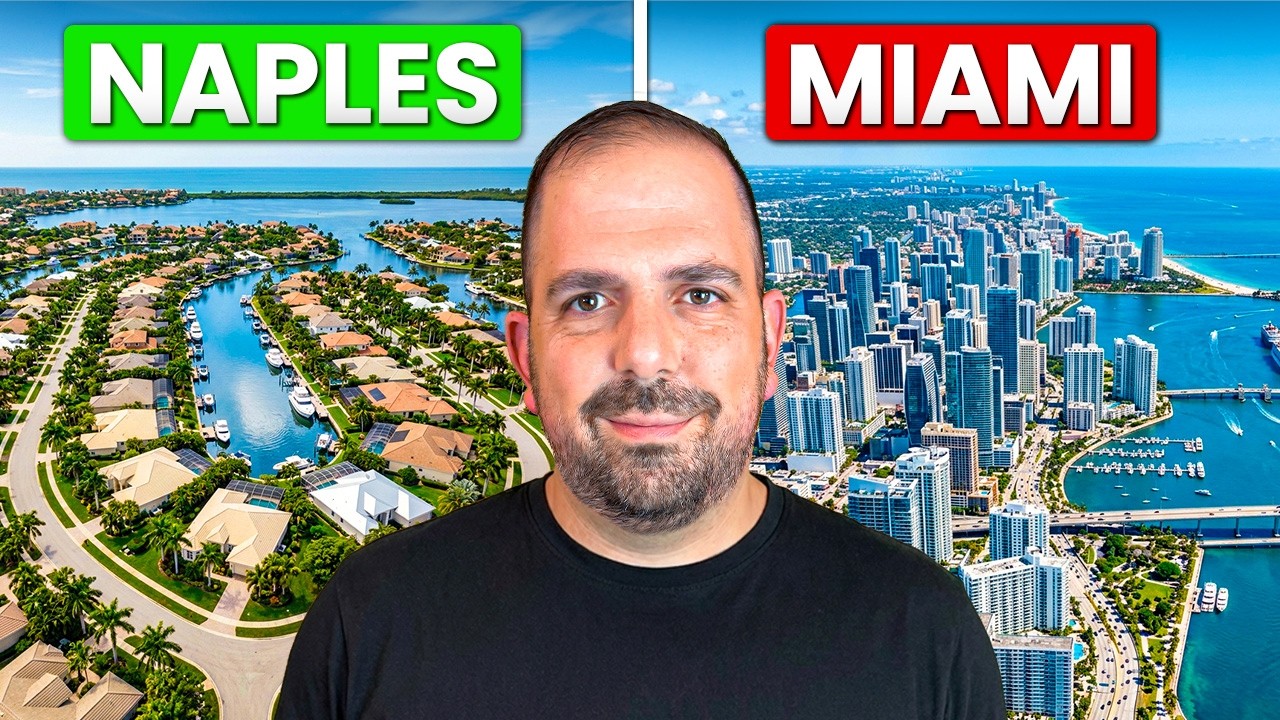
Naples vs. Miami: Where Should You Retire in 2026?
The Big Retirement Question (2026 Update)
Most retirees think the choice comes down to this: Gulf Coast sunsets or a Miami skyline.
But in 2026, that’s not the real decision.
The real choice? It’s driven by numbers, lifestyle, and a major condo cost reset that’s reshaping Florida’s housing market—sometimes by as much as $100,000 per unit.
If you’re deciding where to spend the next chapter of your life, this breakdown of Naples vs. Miami will help you make a smarter, more financially sound decision.
Population & Pace of Life
Before comparing beaches or restaurants, start with this:
How do you want your everyday life to feel?
Naples: Slow, Spacious, and Quiet
- City population: ~20,000
- Collier County: ~400,000
- Low-rise buildings, lighter traffic
- Designed around golf communities and waterfront homes
Naples offers something increasingly rare in Florida: breathing room. It’s calm, predictable, and built for retirees who value space and routine.
Miami: Fast, Dense, and Energetic
- City population: ~500,000
- Miami-Dade County: ~2.9 million
- High-rise skyline, constant activity
- Major international airport and global influence
Miami operates at a completely different speed. Expect longer travel times, more congestion, and nonstop energy.
👉 In fact, peak-hour travel in Miami can take twice as long as similar trips in Naples.
Bottom line:
And this difference directly affects what your money buys.
Home Prices & Risk of Getting Priced Out
Both cities are expensive—but for very different reasons.
Naples Real Estate (Stable Growth)
- Median home price: low $600Ks
- Typical retirement communities: $1M+
- Luxury communities:
- Grey Oaks: ~$3M median
- Pelican Bay: high $1Ms
- Lely Resort: low $600Ks
Naples prices tend to grow steadily, which is ideal for long-term retirement planning.
Miami Real Estate (High Volatility)
- Core areas (like Brickell): mid-$500Ks to $600Ks
- Luxury condos: significantly higher
- Driven by:
- Global investors
- Limited land supply
The result? Faster price spikes—and more buyers getting priced out.
Many retirees who planned on Miami are now looking elsewhere due to affordability concerns.
Key takeaway:
Condo vs. House: The $100K Game-Changer
Here’s the biggest shift in the Florida market right now.
The Condo Law You Need to Know
A recent Florida law requires condo buildings (3+ stories) to fully fund reserves for repairs.
That means:
- No more delaying maintenance
- No more underfunded reserves
What this means for you:
- Surprise assessments: $10,000 to $100,000+ per unit
- Rising monthly HOA fees
- Higher long-term ownership costs
This is especially important in Miami’s older condo towers.
Miami Living: Vertical Lifestyle
Pros:
- Walkability
- Dining, arts, nightlife
- No yard or exterior maintenance
- Luxury amenities
Cons:
- Rising HOA fees
- Special assessments
- Less control over costs
Naples Living: Horizontal Lifestyle
Pros:
- Single-family homes
- More space and privacy
- Quiet, community-focused living
Cons:
- HOA fees (often $550+/month in premium communities)
- Yard and home upkeep
The Real Choice
You’re not just choosing a property—you’re choosing:
Lifestyle: What Does Your Tuesday Look Like?
Forget vacation mode—think about your real daily life.
Naples Lifestyle
- Beach mornings
- Golf communities
- Relaxed dining scene
- Walkable downtown (Fifth Avenue South)
- Nature trails and preserves
Watch out: Seasonal “snowbird” crowds in winter.
Miami Lifestyle
- Cultural events and nightlife
- Major sports and entertainment
- World-class dining
- Walkable urban living
- New developments like a 10-mile urban greenway (The Underline, expected 2026)
Quick Comparison
Long-Term Costs That Most Retirees Miss
This is where decisions can go right—or very wrong.
1. Insurance Costs (Improving in 2026)
- Statewide insurance rates dropped ~8.7%
- Miami-Dade saw drops up to 14%
Good news—but still a major expense.
2. Flood Insurance (Huge Cost Gap)
- Waterfront homes: $4,000–$12,000/year
- Inland homes: under $800/year
👉 This is one of the most overlooked costs in retirement planning.
3. Property Taxes
Example:
- $400,000 home = ~$800/year difference
- Over 20 years = $16,000 saved
4. Inventory & Buying Power
5. The “Half-Back” Trend
A growing number of retirees are:
- Leaving Florida partially
- Moving to states like North Carolina or Georgia
Reason:
- Lower costs
- Fewer storms
- Less stress
It doesn’t mean Florida isn’t worth it—but it shows how important long-term planning is.
Final Verdict: Which One Is Right for You?
There’s no universal winner here.
It comes down to this:
Choose Naples if you want:
- Peace and quiet
- More space and privacy
- Predictable costs
- A slower, retirement-focused lifestyle
Choose Miami if you want:
- Energy and excitement
- Walkability and convenience
- Cultural and social opportunities
- A big-city experience
The Bottom Line
If you get the lifestyle decision right, the financial side usually falls into place.
But if you ignore the numbers—especially condo costs, insurance, and taxes—you could end up with a retirement that feels very different from what you planned.
Need Help Deciding?
If you’re seriously considering Southwest Florida and want guidance based on your budget and goals, reach out at:
hello@swfloridarealestate.com
Getting clarity before you move can save you thousands—and help you land in the right place the first time.
Next Step
Before you make a decision, make sure you don’t fall into the most common traps.
👉 Watch next:
Avoid Retiring in the Wrong Area in Southwest Florida in 2026
It could save you from a very expensive mistake.

John Garuti
| Team John Garuti | eXp Realty | PLACE
or another way