
Categories
Buying, Moving, Neighborhood Spotlights, RetirementPublished January 23, 2026
The Real Pros & Cons of Retiring in SW Florida (in 2026)

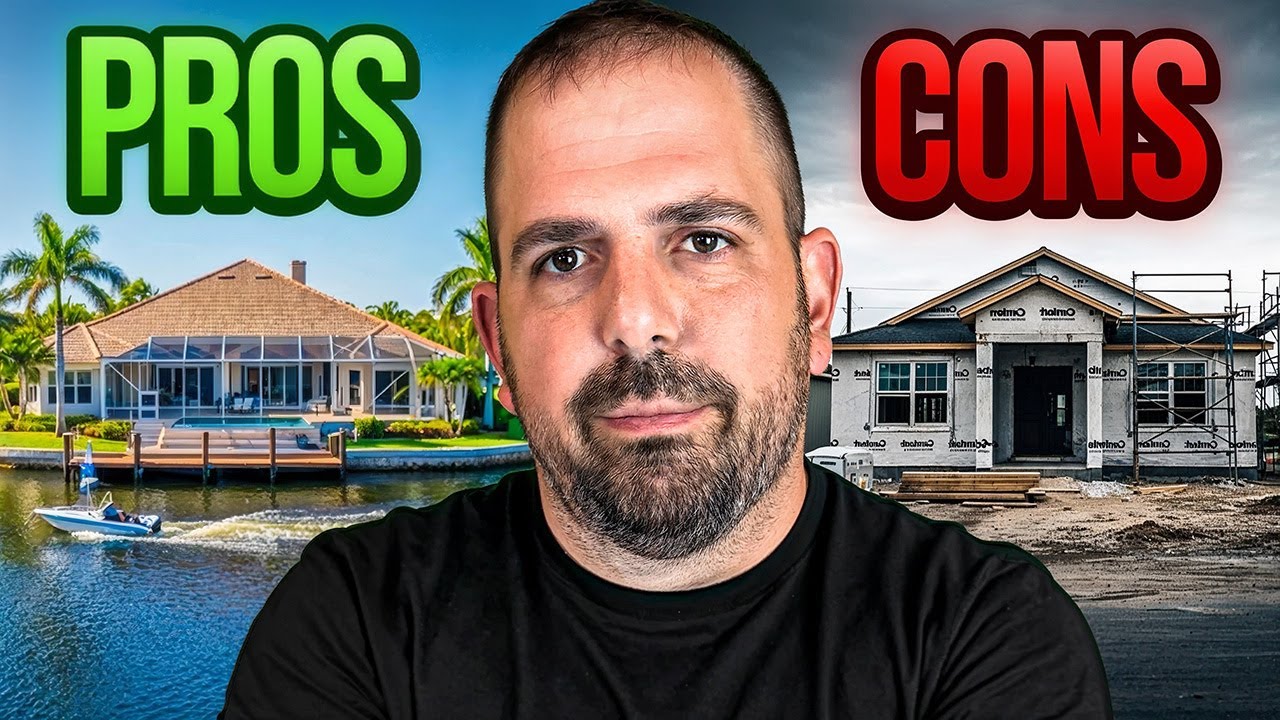
The Real Pros and Cons of Retiring in Southwest Florida in 2026
Thinking About Retiring in Southwest Florida? Read This First.
If you think retiring in Southwest Florida in 2026 looks the same as it did just a few years ago, you may be in for a surprise.
Insurance costs have surged, development is accelerating, and many of the area’s biggest perks now come with trade-offs that retirees need to understand before committing. After working with retirees across Southwest Florida for over six years, I see firsthand where expectations align with reality—and where they don’t.
Before you build your entire retirement plan around Southwest Florida, it’s important to understand both the benefits and the risks. Below is a clear, up-to-date breakdown of the real pros and cons of retiring in Southwest Florida in 2026.
PRO: Lifestyle, Waterfront Living, and Amenities
Southwest Florida continues to stand out for retirees seeking an active, outdoor-oriented lifestyle.
Unmatched Waterfront Access
Cape Coral alone offers more than 400 miles of navigable canals, making it one of the most water-accessible cities in the world. For retirees who enjoy boating, fishing, or waterfront views, few places in Florida—or the country—compare.
Residents enjoy access to:
- The Caloosahatchee River
- Pine Island Sound
- The Gulf of Mexico
Marinas such as Cape Harbour Marina provide direct Gulf access along with waterfront dining and shopping. For those who don’t want the cost or maintenance of boat ownership, options like Carefree Boat Club allow members to enjoy boating without long-term responsibilities.
Arts, Culture, and Entertainment
Southwest Florida’s cultural scene has expanded significantly:
- Artis—Naples hosts more than 300 performances annually, including Broadway shows, classical music, opera, and dance.
- Opera Naples is celebrating its 20th anniversary with a five-week Festival Under the Stars running from February through March 2026.
Golf and Active Communities
Golf remains a major draw, with new and revitalized courses such as Saltleaf Golf Preserve in Bonita Springs, featuring an 18-hole championship course and a 9-hole short course suitable for all skill levels.
Equally important is the growth of maintenance-free and 55+ communities, including:
- Del Webb Oak Creek (North Fort Myers) – single-family homes starting in the $300,000s
- Pelican Preserve (Fort Myers) – featuring on-site dining, a movie theater, pickleball and tennis courts, and resort-style pools
Expanding Healthcare Infrastructure
Healthcare access is improving rapidly:
- Lee Health is constructing a $481 million hospital campus with 168 beds, opening in early 2028.
- Sarasota Memorial approved a $507 million hurricane-hardened hospital in North Port, opening in 2028.
For many retirees, Southwest Florida now offers urban-level healthcare with a coastal lifestyle, which was not always the case in the past.
CON: Insurance Costs and Volatility
Insurance is one of the most significant financial challenges for retirees in Florida.
Rising Homeowners Insurance
Florida homeowners insurance premiums increased more than 34% since late 2022, with statewide averages exceeding $3,000 per year in 2025.
Approximate annual averages:
- Lee County: $4,419
- Cape Coral: $2,968–$3,321
- Fort Myers: $3,000–$4,000
- Naples: ~$2,502
- Collier County: ~$2,510
Costs vary widely based on home age, construction type, elevation, and flood zone.
Flood Insurance Changes
Flood insurance requirements are tightening:
- In 2025, flood insurance is required for Citizens policies over $500,000
- In 2026, the threshold drops to $400,000
- By 2027, all Citizens wind policyholders will need flood insurance
NFIP flood insurance averages around $865 per year, but coverage limits and property risk zones significantly affect pricing.
Planning tip: Retirees should budget for 15–20% annual insurance increases over the next few years, even as the market stabilizes.
PRO: Favorable Tax Structure for Retirees
Florida’s tax advantages remain one of the strongest reasons retirees relocate here.
No State Income Tax
Florida does not tax:
- Pensions
- 401(k), 403(b), and IRA withdrawals
- Social Security income
- Military pensions
- Investment income
There is also no estate or inheritance tax.
A retiree earning $80,000 in pension income pays zero state income tax, while couples earning $120,000 often save $3,000–$5,000 annually compared to states with retirement income taxes.
Property Tax Benefits
- Average statewide property tax rate: ~0.82%
- Lee County: ~1.03%
- Charlotte County: ~1.12%
Florida’s homestead exemption (now over $50,000) and Save Our Homes cap limit annual assessed value increases, providing long-term tax predictability.
CON: Heat, Humidity, and Weather Realities
Southwest Florida’s climate is a major lifestyle adjustment for many retirees.
- Summer temperatures regularly exceed 90°F
- Outdoor activity shifts to early mornings and evenings from May through October
- Air conditioning can account for more than half of an average electric bill
Additional ongoing costs include:
- HVAC maintenance
- Pest control
- Pool and lawn care
- Storm preparation
Hurricane season runs from June through November, with peak activity from August through October. Preparation and storm-related stress are real considerations for retirees new to Florida.
PRO & CON: Rapid Development and Growth
Southwest Florida is experiencing rapid development, bringing both opportunity and strain.
New Communities and Projects
- Valencia Harbor (Fort Myers) – 55+ community starting in the mid-$300,000s
- Bonita Del Sol – new construction west of Tamiami Trail
- The Cove at 47th (Cape Coral) – mixed-use waterfront development
- Ritz-Carlton Residences, Estero Bay – luxury waterfront towers opening in 2026
Median home prices:
- Fort Myers: ~$361,000
- Cape Coral: ~$367,000
- Estero: ~$555,000
- Bonita Springs: ~$565,000
- Naples: ~$580,000
Infrastructure and Fees
Growth brings:
- Traffic congestion
- I-75 expansion projects
- Higher HOA and CDD fees, which can add $200–$500+ per month to housing costs
Understanding HOA budgets, CDD bonds, and long-term maintenance obligations is critical before purchasing.
Final Thoughts: Is Retiring in Southwest Florida Right for You?
Retiring in Southwest Florida in 2026 can be an excellent decision—but only with realistic expectations.
Retirees who succeed here:
- Budget accurately for insurance and maintenance
- Understand HOA and CDD fees
- Prepare for climate and lifestyle changes
- Leverage Florida’s tax advantages effectively
If you are seriously considering retirement in Southwest Florida and want a clear, personalized cost breakdown based on your goals, reach out directly.
Call: (239) 456-3711
Email: hello@swfloridarealestate.com
Planning properly today can make all the difference in enjoying your retirement tomorrow.

John Garuti
| Team John Garuti | eXp Realty | PLACE
or another way